
A look back at last year’s World Business Dialogue.
The 25th World Business Dialogue brought together students, industry leaders, and changemakers at the University of Cologne for a day of exchange on the future of work and global labour markets.
Under the theme “Beyond Human Capital – Navigating Tomorrow’s Labour Markets,” participants engaged in keynotes, panels, and interactive formats exploring how AI, automation, demographic change, and new skill demands are reshaping tomorrow’s workplaces. Discussions connected bright young minds with experienced decision-makers from business, academia, and policy, creating space for open dialogue across generations and disciplines.
Beyond the stage, the conference offered extensive networking opportunities — from informal exchanges during the programme to its signature after-party — reinforcing the World Business Dialogue’s character as both an intellectual forum and a social meeting point.


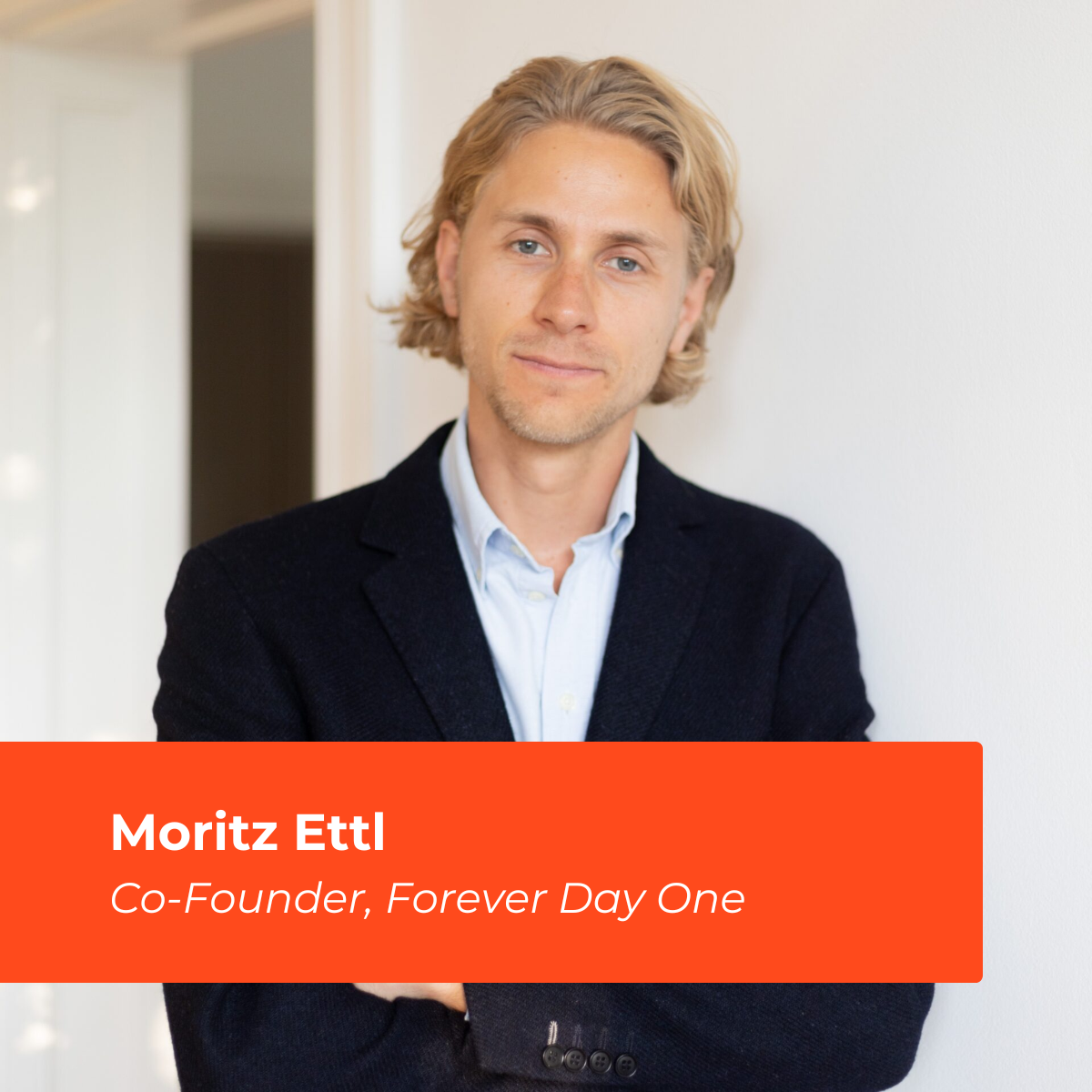
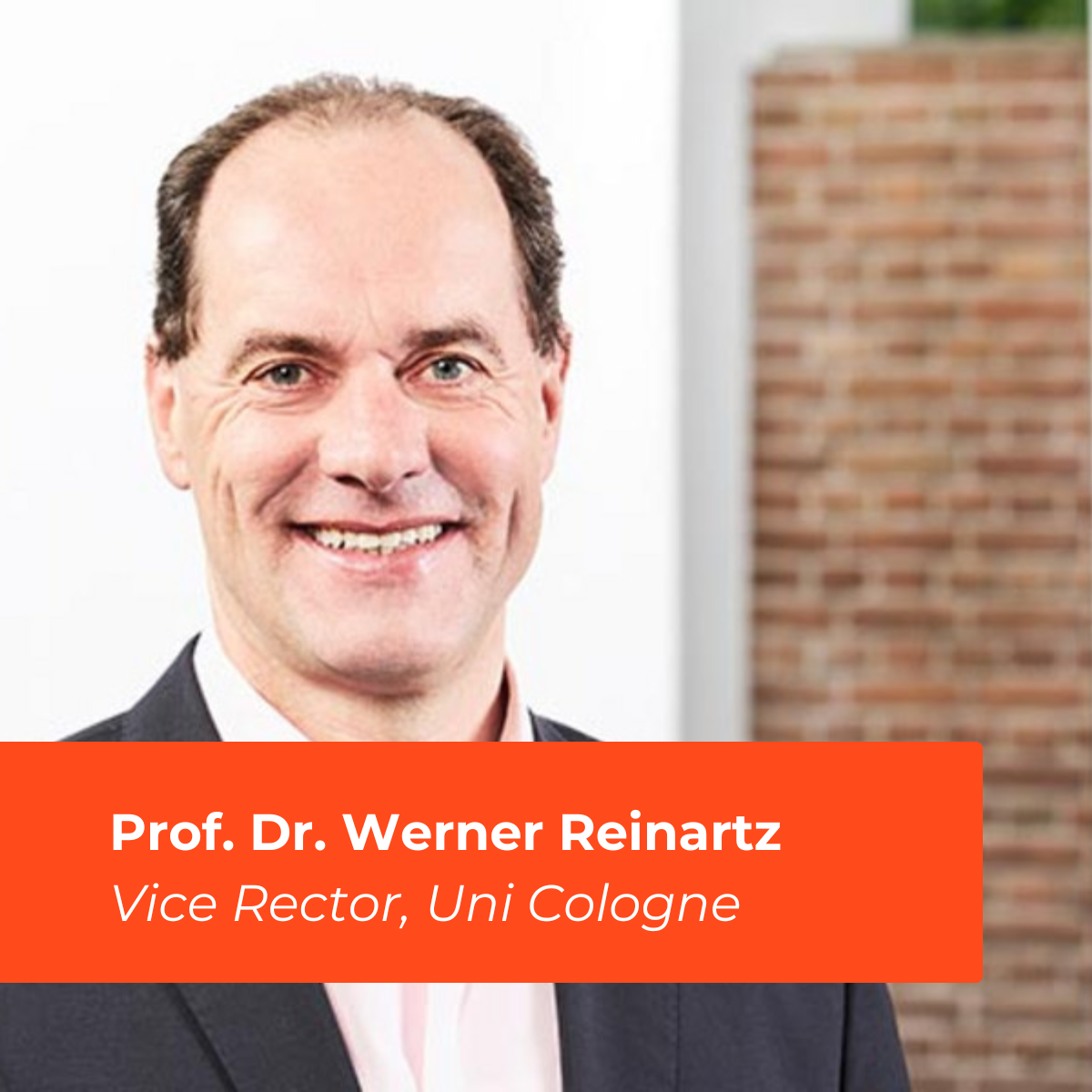


Three formats shaping the dialogue.
Condensed perspectives from leaders shaping Europe, markets, and innovation.
Real debate, conflicting views, and the questions that matter now.
Founder stories, pitches, and hands-on insights beyond theory.
The keynote programme framed the day with strategic impulses on the future of work and labour markets. Sessions addressed topics such as labour markets in transition, future skills, personal rebranding and organisational culture, and the question of why the future of work is inherently political. Together, the keynotes set the analytical foundation for the conference, connecting economic change, leadership, and societal responsibility.
Panel discussions deepened the debate by bringing together perspectives from business, academia, and policy. Topics ranged from co-creating the future of work through AI and human collaboration, to building agile and adaptive organisations, and bridging labour market shifts to generate broader societal benefit. These sessions encouraged critical exchange across disciplines and generations, grounding abstract trends in practical and institutional realities.
Complementing the main stage programme, entrepreneurial formats offered applied and personal perspectives on innovation and leadership. A Founder’s Story interview provided insights into entrepreneurial decision-making and long-term venture building, while the Start-Up Pitch Battle showcased emerging ideas and business models in a competitive, high-energy format. These sessions connected strategic discourse with real-world entrepreneurial practice.













To our speakers, partners, participants, and the team behind the scenes — thank you for a day of open dialogue, bold ideas, and new connections.